
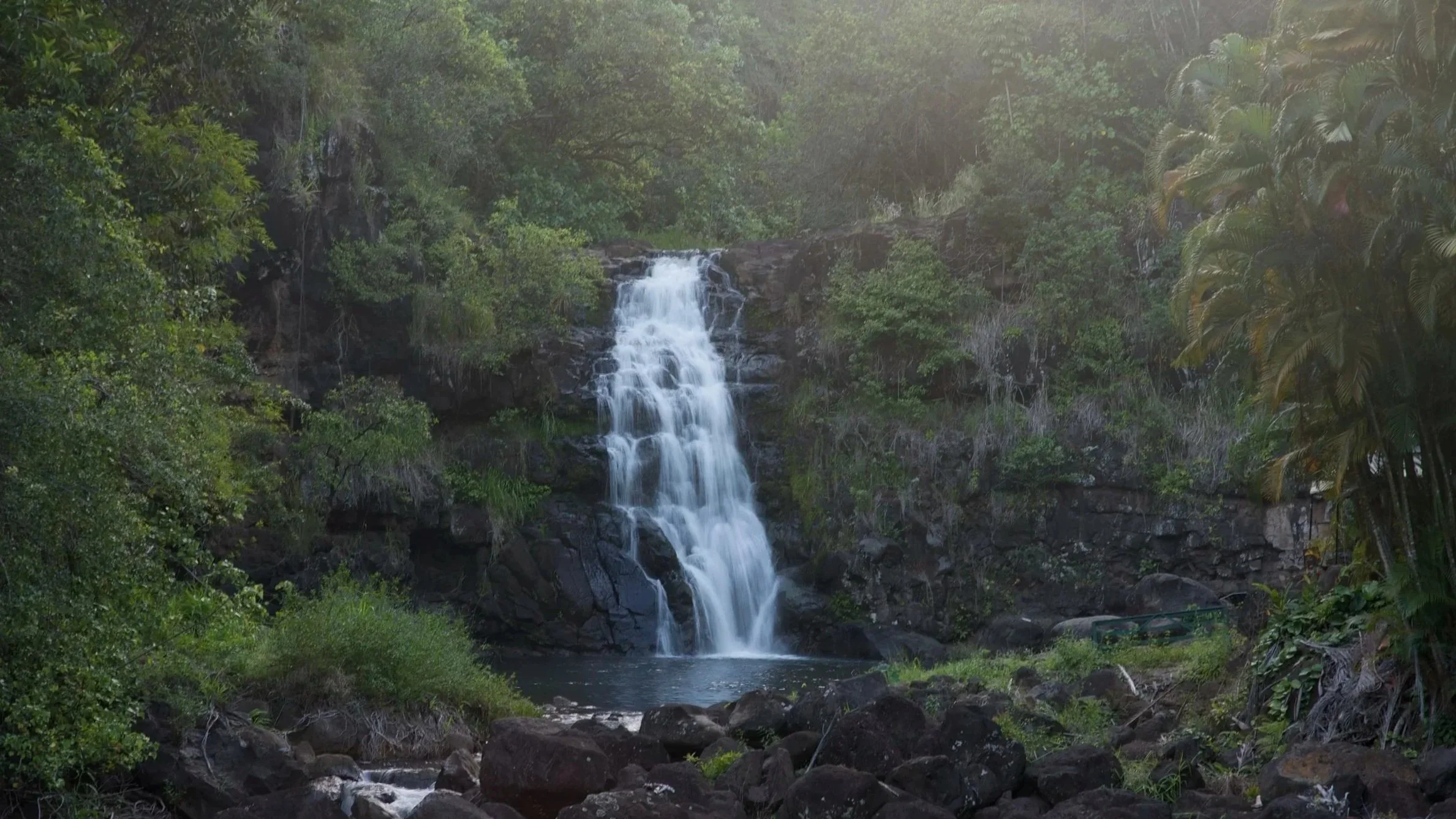
Waimea Falls
Discover Waimea Falls, a scenic and accessible waterfall on Oʻahu’s North Shore
Waimea Falls
The Sacred Waterfall of Waimea Valley
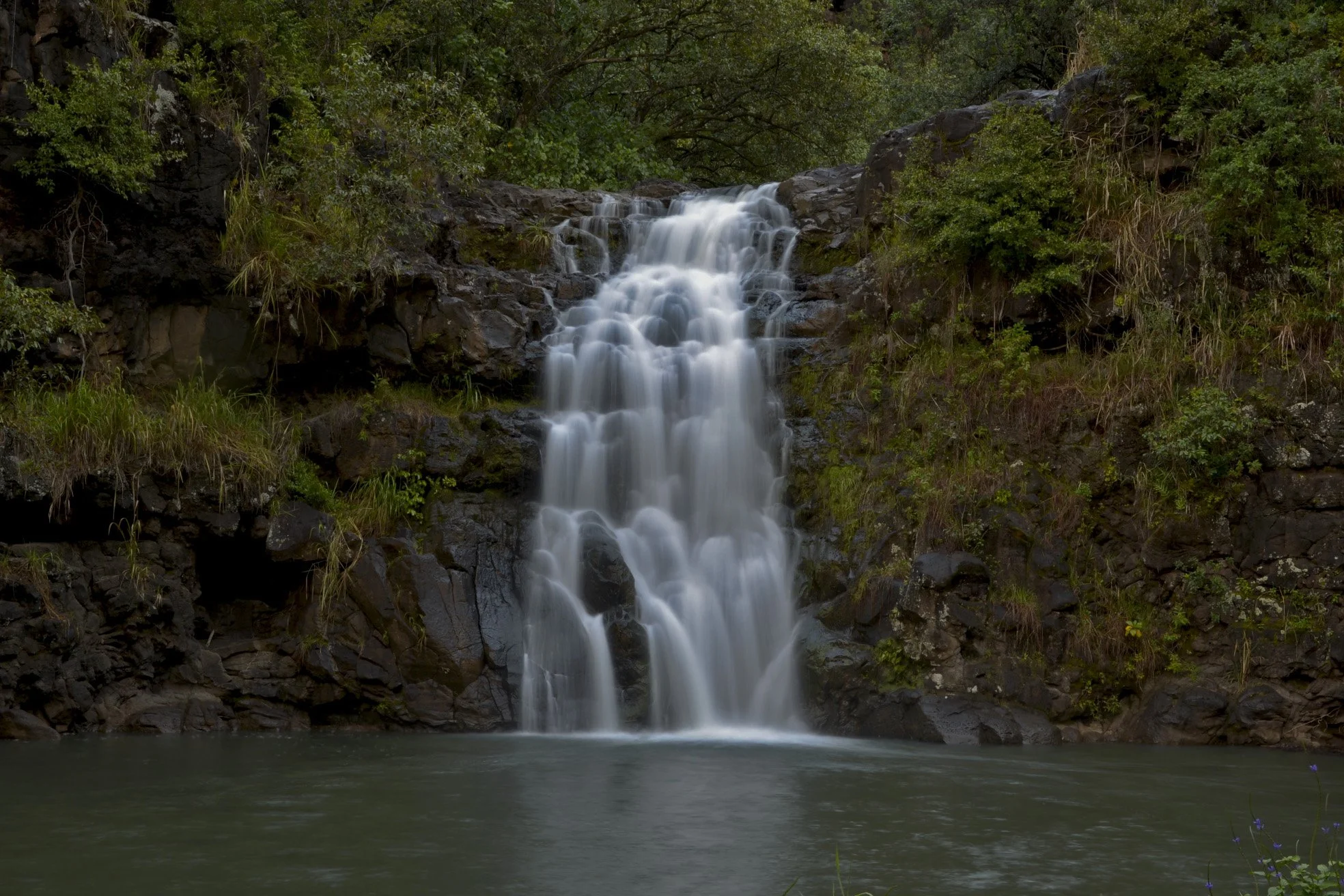
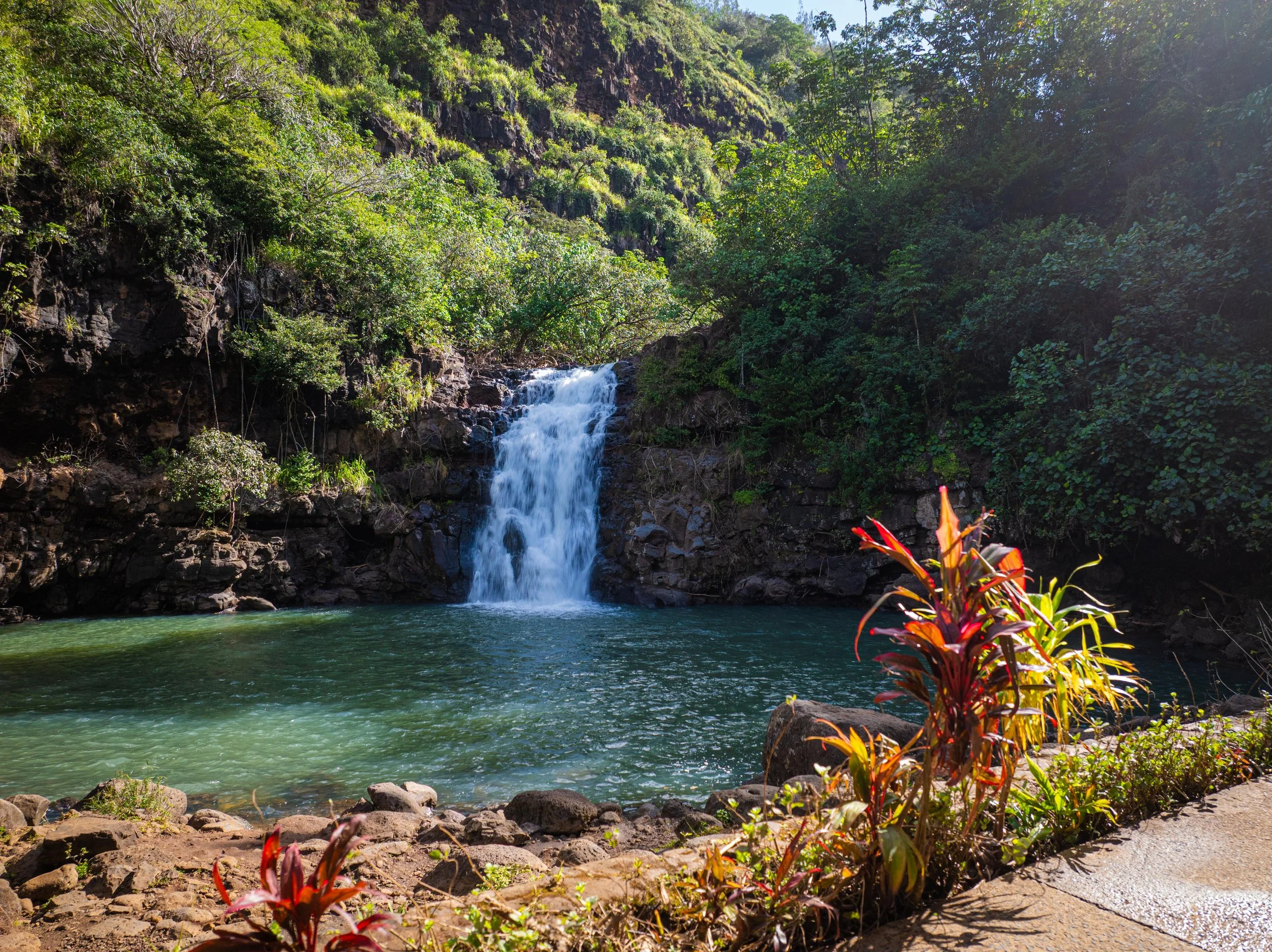
At the end of the main path through Waimea Valley stands our sacred waterfall. About 40 feet tall, Waimea Falls is both beautiful and deeply meaningful in Hawaiian culture. For centuries, fresh water here has been honored not simply as a natural feature, but as a life-giving force.
In ancient Hawaiʻi, fresh water (wai) was sacred. It sustained agriculture, supported communities, and represented life itself. Water sources such as rivers, springs, and waterfalls were carefully protected within the ahupuaʻa system, a traditional land division that extended from the mountains to the sea.
Waimea Falls lies within the Koʻolau mountain watershed, where rain falls high in the mountains, flows through forest streams, and gathers in Waimea Valley before continuing makai (toward the ocean) at Waimea Bay. This connection from mountain to sea reflects the Hawaiian understanding that all parts of the land are interconnected.
The name Waimea means “reddish water,” referring to the iron-rich volcanic soils in the Valley. During heavy rains, sediment washes downstream, sometimes tinting the water red. Traditionally, some believed the mineral-rich waters had healing properties.
An important Hawaiian value tied to water is “Mālama i ka wai” — to care for the water. Protecting freshwater sources ensured the survival of future generations. Today, we continue that responsibility by caring for Waimea waterfall and asking visitors to treat it with respect.
The Cultural Significance of Waimea Falls
The Watershed
Waimea Falls depends entirely on rainfall in the Koʻolau Mountains. The water you see has traveled from upland forests, through streams, and down into the Valley. Because of this:
The waterfall is weather-dependent.
After heavy rain, flow may be strong and powerful.
During dry periods, the waterfall may slow to a trickle, or temporarily stop flowing.
While this can be unexpected for some visitors, it is a sign of a healthy, natural watershed. Every flow level tells a story about the mountain rains above us.
The Many Names of Waimea Falls
Waimea Fall’s name changes depending on the strength of its flow
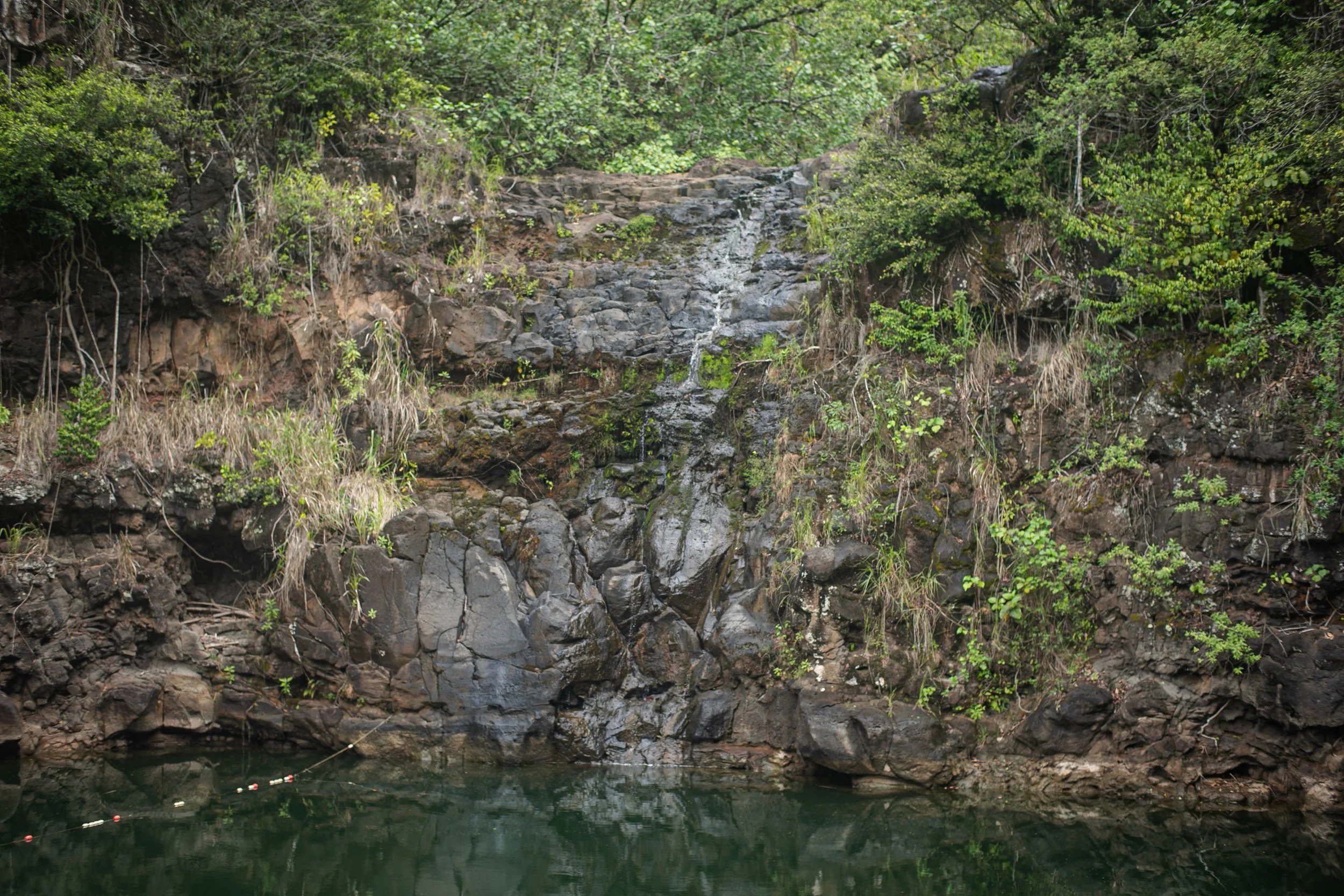
Waiheʻe – “Trickling water”
When the flow is light and gentle
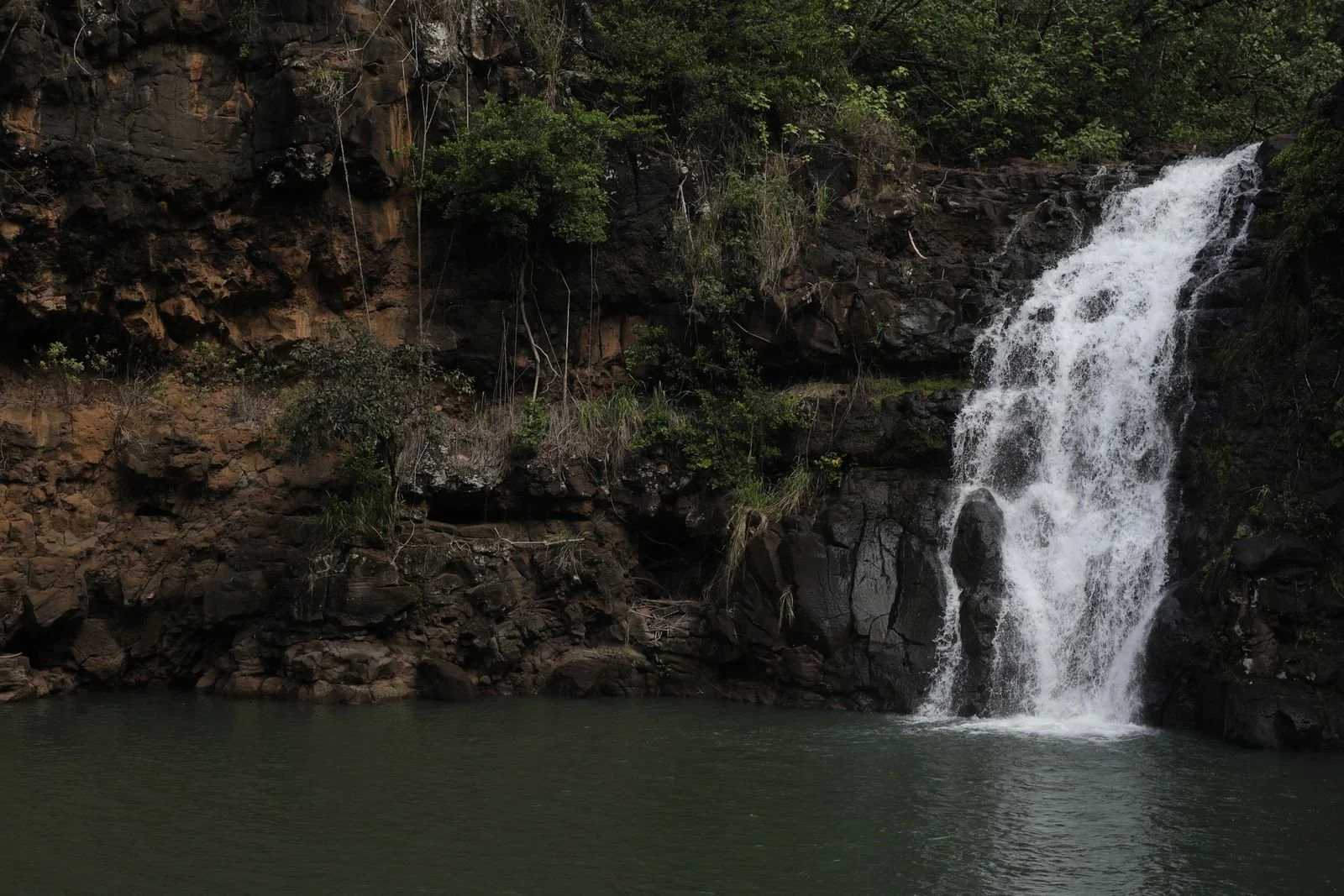
Wailele – “Leaping water”
A steady, flowing waterfall.
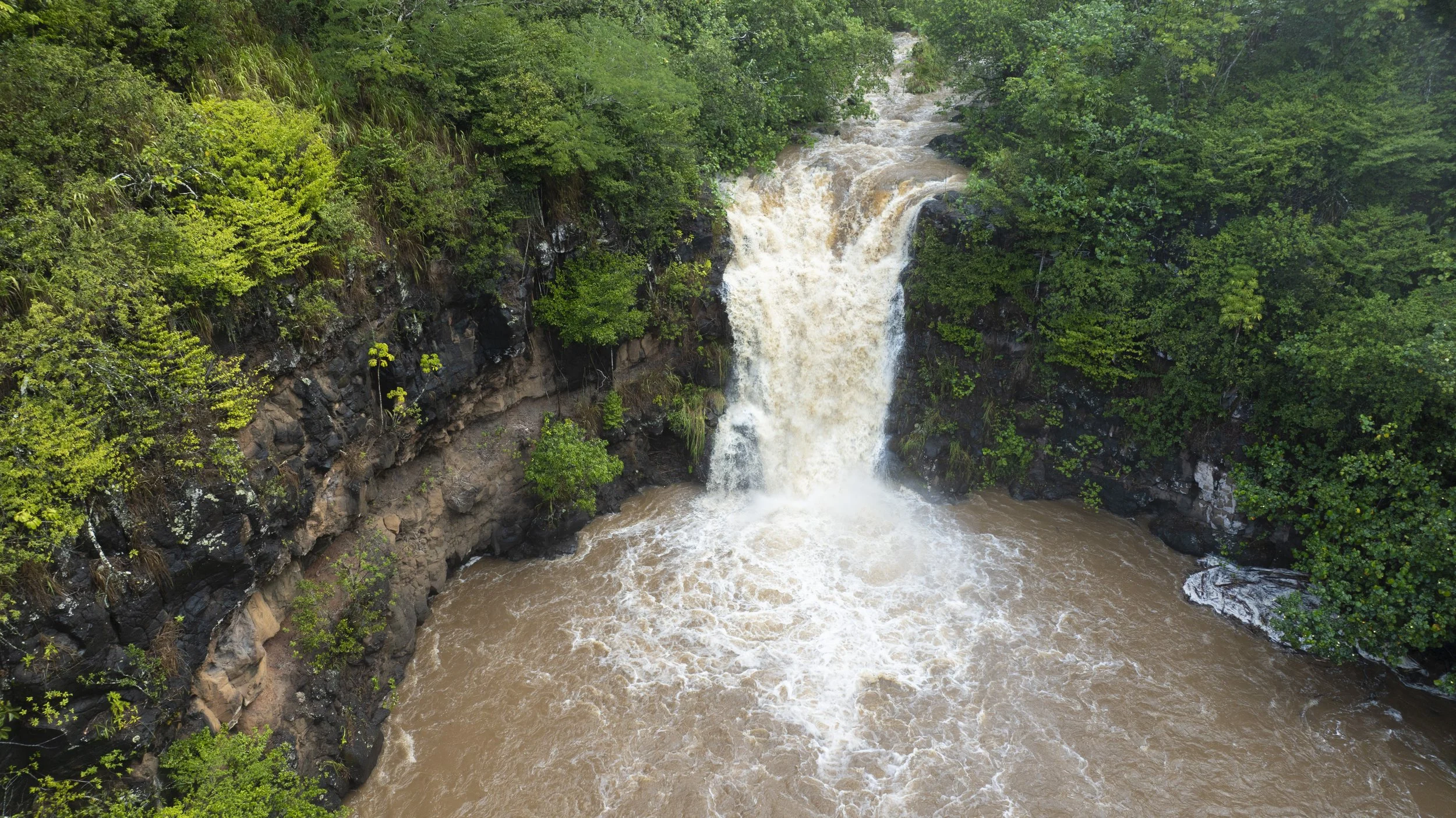
Waihi – “Surging water”
During strong, heavy flow after rainfall.
A Living, Sacred Place
Waimea Falls is part of a living watershed, a cultural treasure, and a reminder that water is life.
Whether you witness a gentle Waiheʻe or a powerful Waihi, we invite you to experience its beauty with understanding, appreciation, and care.
Mālama i ka wai — care for the water.
What to Expect
-
Swimming is permitted when conditions are safe and lifeguards are on duty. Swimming is weather-dependent and determined daily by lifeguards at 9:00 AM. Please call (808) 638-7766for current status.
Swimming may close due to:
Heavy rainfall
Strong currents
Water quality concerns
Drought
Lightning or severe weather
Tip: Please check the current swimming status upon arrival.
-
Check in with the lifeguard before swimming
Swimming is suitable for all ages
Life jackets are required for all swimmers to ensure safety
Provided free of charge
Available in all sizes
Tip: Locker rentals and changing areas are available on site. Learn more.
-
To ensure safety and respect for this sacred site:
Swim only in designated safe areas
Water conditions may swell within seconds. Follow lifeguard instructions at all times
No diving
No climbing on waterfall rocks
Children must be supervised at all times
Do not use soaps, oils, or foreign substances in the water
Pack out all trash and belongings
Waimea falls is both a recreational area and a sacred freshwater source. Your respect helps protect it for future generations.
-
Even when swimming is unavailable, there is still plenty to discover and enjoy throughout Waimea Valley. Learn More
Explore the Botanical Gardens
Discover native Hawaiian plants and rare species from around the world along our paved, scenic path with free botanical tours daily at 12:30pm
Visit Cultural & Archaeological Sites
Explore Kauhale (one of the last known intact examples of a historic Hawaiian living complex) and historic areas that share the deep history of this sacred Valley.
Experience Hawaiian Culture
Enjoy cultural demonstrations such as hula, Hawaiian games, and hands-on activities when available.
Browse & Relax
Visit the gift shop for locally inspired items, enjoy food and dining options, or simply relax and take in the peaceful surroundings and natural beauty.
Waimea falls may be weather-dependent, but the Valley’s beauty, history, and culture can be experienced every day.