
Celebrating the Plants of 2006
By Jerry Koko, Botanical Collections Specialist
Although Waimea Valley is well-known for its waterfall, there are other activities guests can enjoy when visiting. The cultural importance of the valley cannot be understated and there is a chance to learn from cultural practitioners and
educators when visiting. The valley is also home to a botanical garden and arboretum that contains thousands of plants that come from the tropics and subtropics. The gardens were founded in 1973, but in 2006 the title of the valley
was acquired by the Office of Hawaiian Affairs which ensured the Valley is preserved in perpetuity. To celebrate the 20th anniversary, this article will focus on some of the native plants that were acquired throughout the entire year, although OHA acquired the title in August. In this context, native would mean a plant that is either endemic or indigenous, meaning it populated the islands without any assistance from humans.
In February of 2006, we received seeds of Achyranthes humilis (formerly Nototrichium humile), also known as kulu‘ī. This plant is federally listed as an endangered species and now can only be found on the island of O‘ahu, being extirpated from Maui. It is being threatened by a high chance of brush fires, feral goats, as well as a myriad of invasive plant species such as: Leucaena leucocephala (koa haole), Melinis minutiflora (molasses grass), and Grevillea
robusta (silky oak) to name a few. In the gardens, this plant can be easily seen in our Hawaiian Flora A garden which surrounds our second of four ponds in the garden.
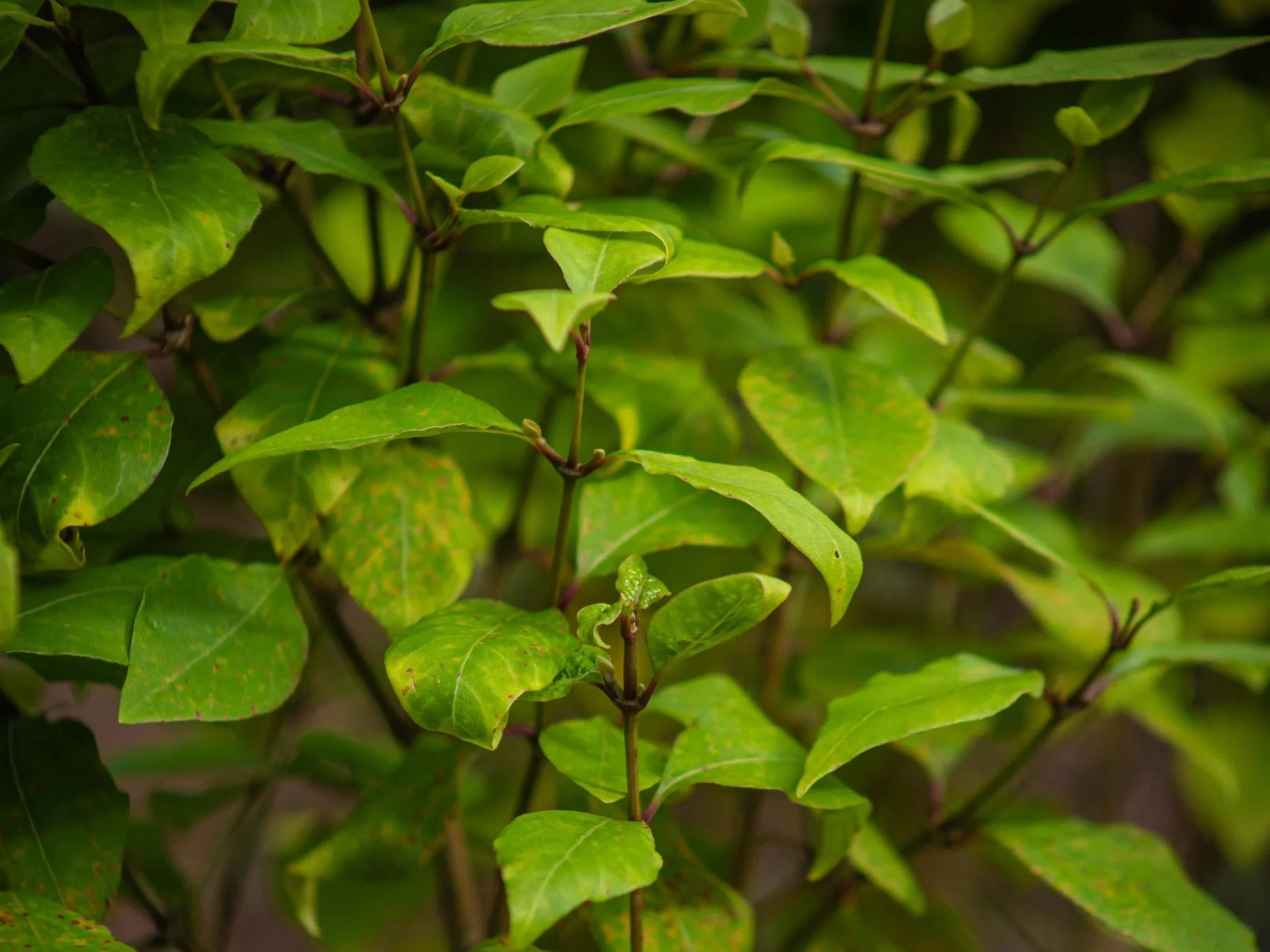
Achyranthes humilis
In the same month, we received seeds of Bonamia menziesii. This plant is federally listed as a critically endangered species but can be found on most of the major islands. It has a viny habit that likes to climb. It tends to live in dry forests
but can also be seen in mesic and wet forests as well. The plant is under threats from feral animals such as goats and pigs but is also threatened by invasive plant species as well, such as: Cenchrus setaceus (fountain grass) and Schinus
terebinthifolia (Christmas berry). Like the A. humilis above, this plant can also be found in our Hawaiian Flora A garden but climbing on a small trellis.
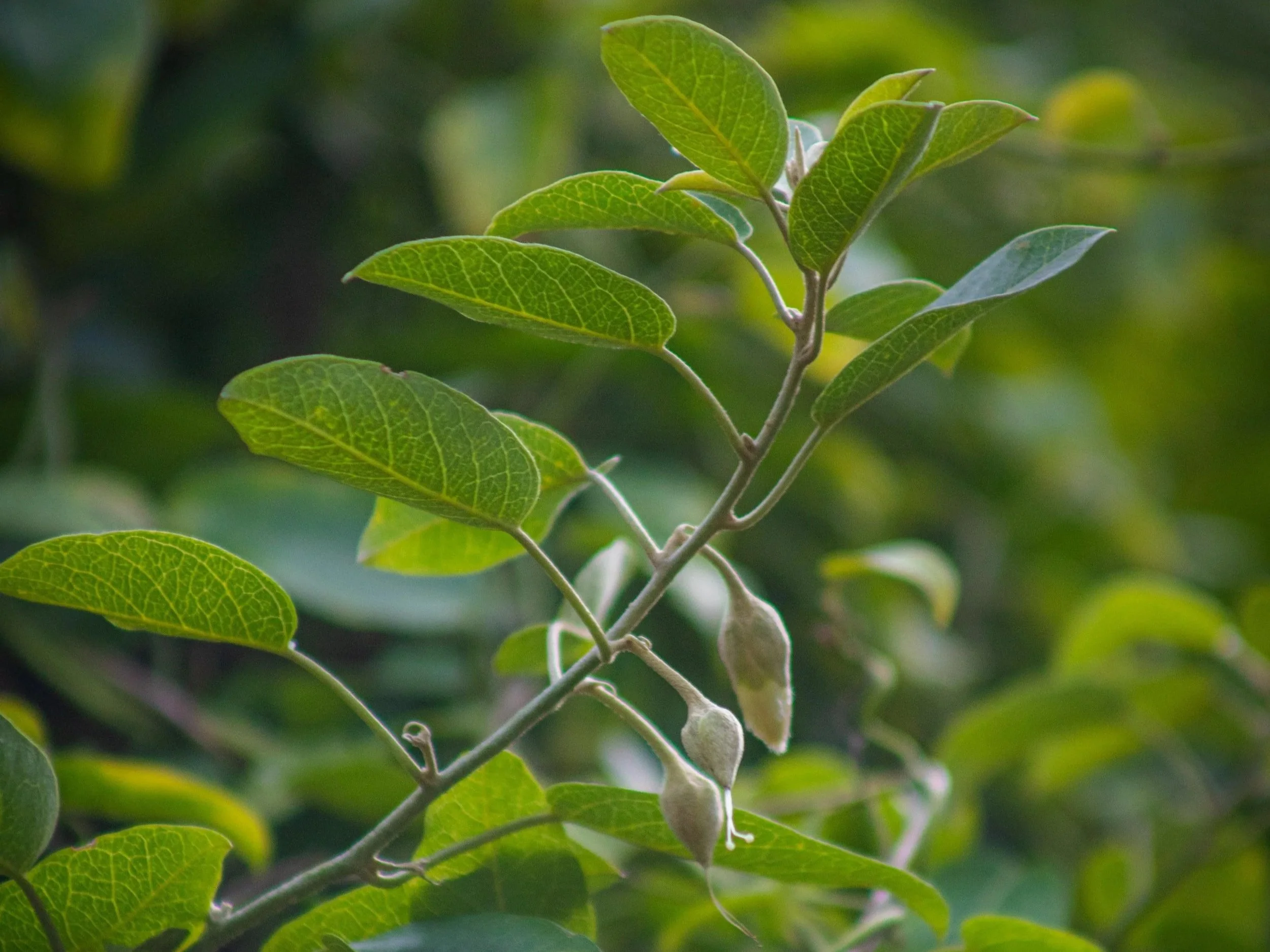
Bonamia menziesii
In June, a plant of Pittosporum napaliense was given to Waimea Valley. Also known as hō‘awa, this species grows only on the northwestern side of the island of Kaua‘i. It’s said that early Hawaiians would have used the inner flesh of the fruit mixed with dried nuts of Aleurites moluccanus (kukui) to heal swollen necks. The outer layer of the fruit was mashed and used to heal sores as well. The fruit was also a food source for the Hawaiian crow, Corvus hawaiiensis (‘alalā). This plant can be seen in our Kaua‘i Endemic Garden collection located right before
our first bridge.
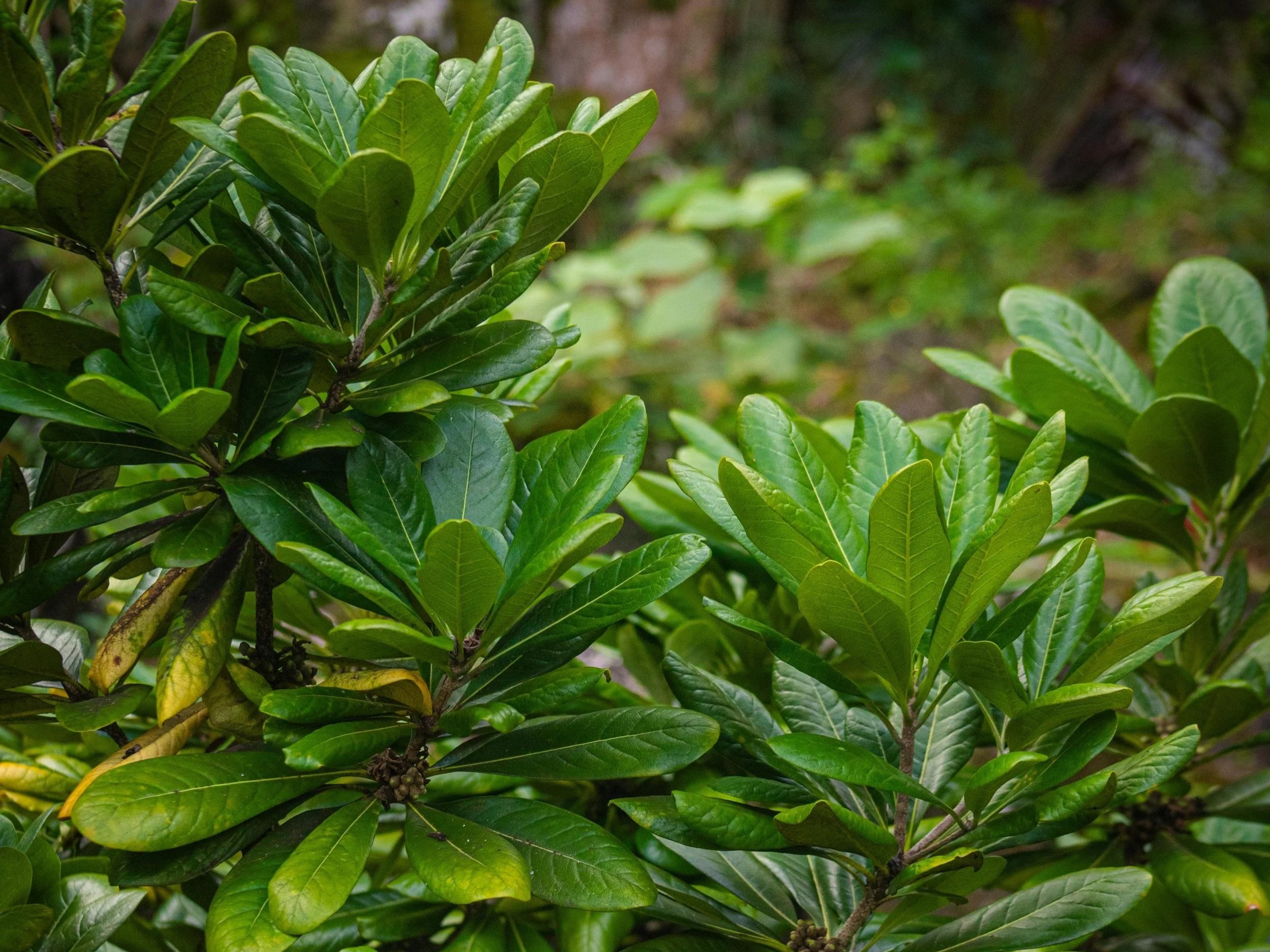
Pittosporum napaliense
There are many plants, both native and non-native, that can be found throughout our entire botanical gardens at Waimea Valley. Our valley has been used by the film industry of course but is a great resource for researchers and students wanting to learn more about Hawaiian culture or the flora of the tropics and subtropics. Waimea Valley also does a lot of work with in situ and ex situ conservation. The gardens provide a great area for plant material to grow for
educational purposes, but as a way to display and hold these plant species that are threatened and endangered for organizations to use for research or reforestation.
www.waimeavalley.net